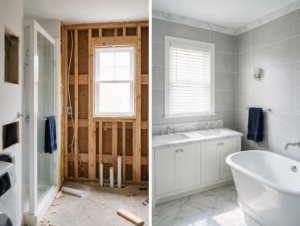
Tile is the foundational element of any functional bathroom. It protects the underlying structure from moisture while defining the room’s aesthetic. However, in many older homes throughout Huntingdon Valley and Abington, original tile installations are beginning to fail. Cracked surfaces, perpetually stained grout lines, and loose tiles are more than cosmetic nuisances; they are clear indicators that water is bypassing the surface barrier. Addressing these failures properly protects your property from severe internal water damage.
Understanding Why Bathroom Tile Fails
Ceramic and porcelain tiles are inherently waterproof, but the systems holding them together degrade over time. Recognizing the root cause of tile failure helps determine whether a simple cosmetic touch-up is sufficient or if a complete replacement is required.
Deteriorating Grout and Substrate Movement
Grout is a porous material. Without regular application of high-quality sealants, it absorbs moisture, soap scum, and bacteria, leading to stubborn discoloration. More concerning is when grout physically cracks or crumbles away. This typically occurs because the wooden subfloor or wall structure behind the tile is shifting. Natural house settling or weakened, water-damaged floor joists cause the rigid tile surface to flex, snapping the grout lines and eventually cracking the tiles themselves.
The Hidden Danger of Water Intrusion
Once grout or caulking fails, shower water quickly saturates the wallboard or mortar bed beneath the tile. In mid-century homes, tile was often installed directly over standard drywall, which acts like a sponge when exposed to moisture. Trapped water rots the wooden framing and feeds toxic mold colonies. If you notice a damp, musty odor that persists after cleaning, or if tiles feel spongy underfoot, water has breached the barrier.
Repair vs. Complete Replacement
Homeowners often hope that a simple regrouting service will solve their bathroom woes. While regrouting is effective for purely cosmetic updates on structurally sound surfaces, it cannot fix underlying moisture damage.
When to Replace Your Tile
If tiles are actively falling off the shower wall or if the floor feels soft, a complete tear-out is mandatory. The damaged substrate must be removed and replaced with modern, moisture-resistant materials. According to the Tile Council of North America (TCNA), utilizing modern continuous waterproofing membranes behind the tile is the only reliable way to prevent moisture from reaching the structural framing of the house.
Upgrading to Modern Tile Standards
Replacing a failing tile system offers the opportunity to drastically improve the safety and design of your bathroom. Modern manufacturing techniques have expanded tile options significantly, allowing for high-performance surfaces that require a fraction of the maintenance.
Large-Format Porcelain and Natural Stone
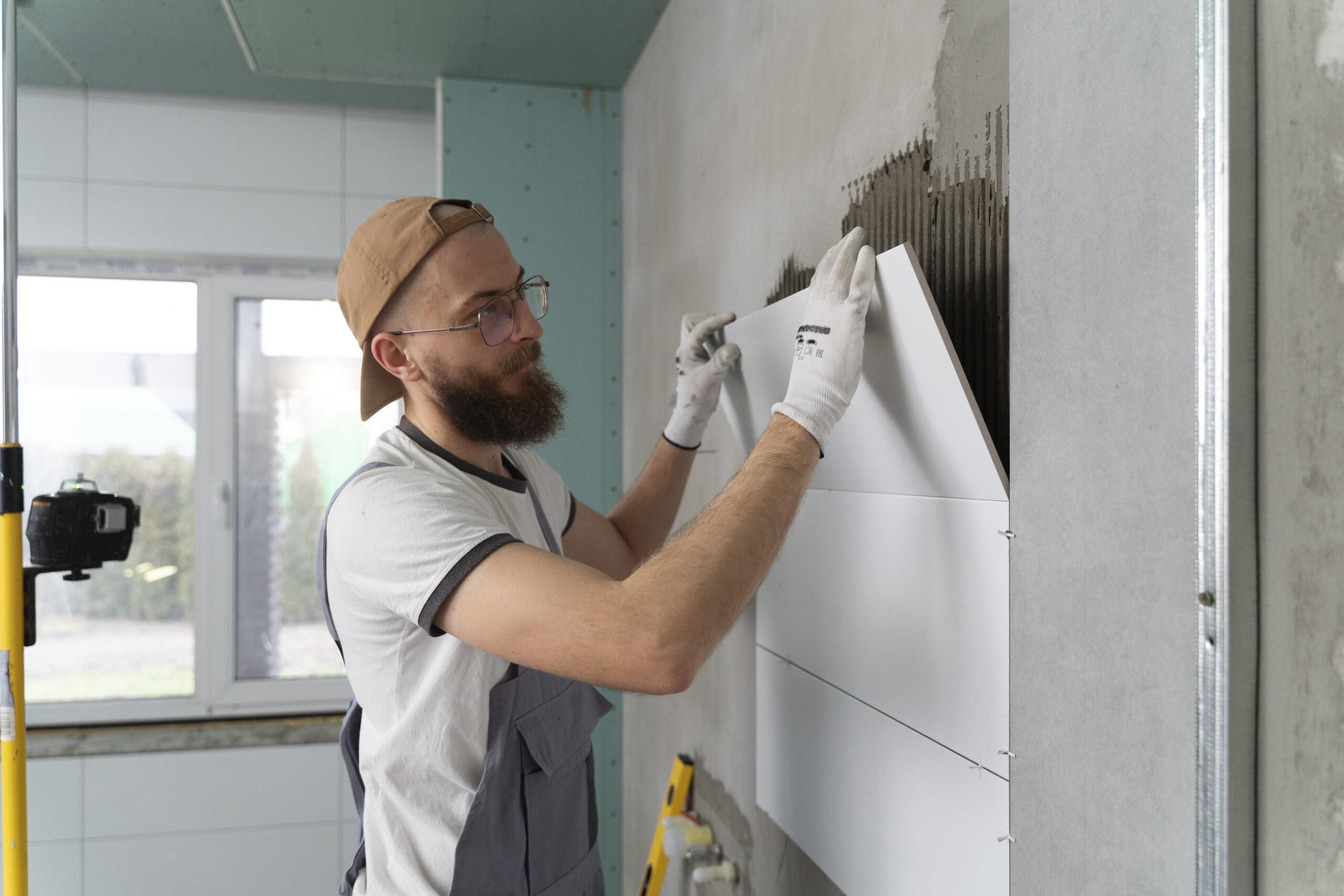
Upgrading to large-format porcelain tiles minimizes the number of grout lines in the shower, which directly reduces cleaning time and eliminates multiple points of potential water intrusion. For bathroom floors, selecting a textured, slip-resistant mosaic or matte finish improves safety in wet conditions. Precision installation using leveling clips ensures that large tiles lie perfectly flat, preventing dangerous tripping hazards and unsightly shadows.
Securing Your Home with Expert Craftsmanship
Protecting your bathroom from water damage requires rigorous preparation and expert execution. A beautifully installed tile surface must be backed by a flawless waterproofing system. If you are noticing cracked grout or loose tiles, scheduling professional tile installation is the most effective way to secure your bathroom’s structural integrity. Contact Huntingdon Valley Kitchen & Bath Remodelers to evaluate your current bathroom and explore durable, modern tile solutions.
FAQs
- Why is my shower floor tile lifting? Lifting or “tenting” tiles usually indicate that water has compromised the mortar bed beneath the tile, or that the floor structure is shifting and breaking the adhesive bond.
- Can you install new tile directly over old bathroom tile? While technically possible in very specific, dry environments, it is highly discouraged in bathrooms. Installing over old tile traps potential moisture problems, raises the floor height awkwardly, and adds excessive weight to the floor joists.
- How long does it take for a new tile shower to cure? While the thin-set mortar usually cures enough for light foot traffic in 24 to 48 hours, you should wait at least 72 hours before using the shower to ensure the waterproofing and grout are fully set.