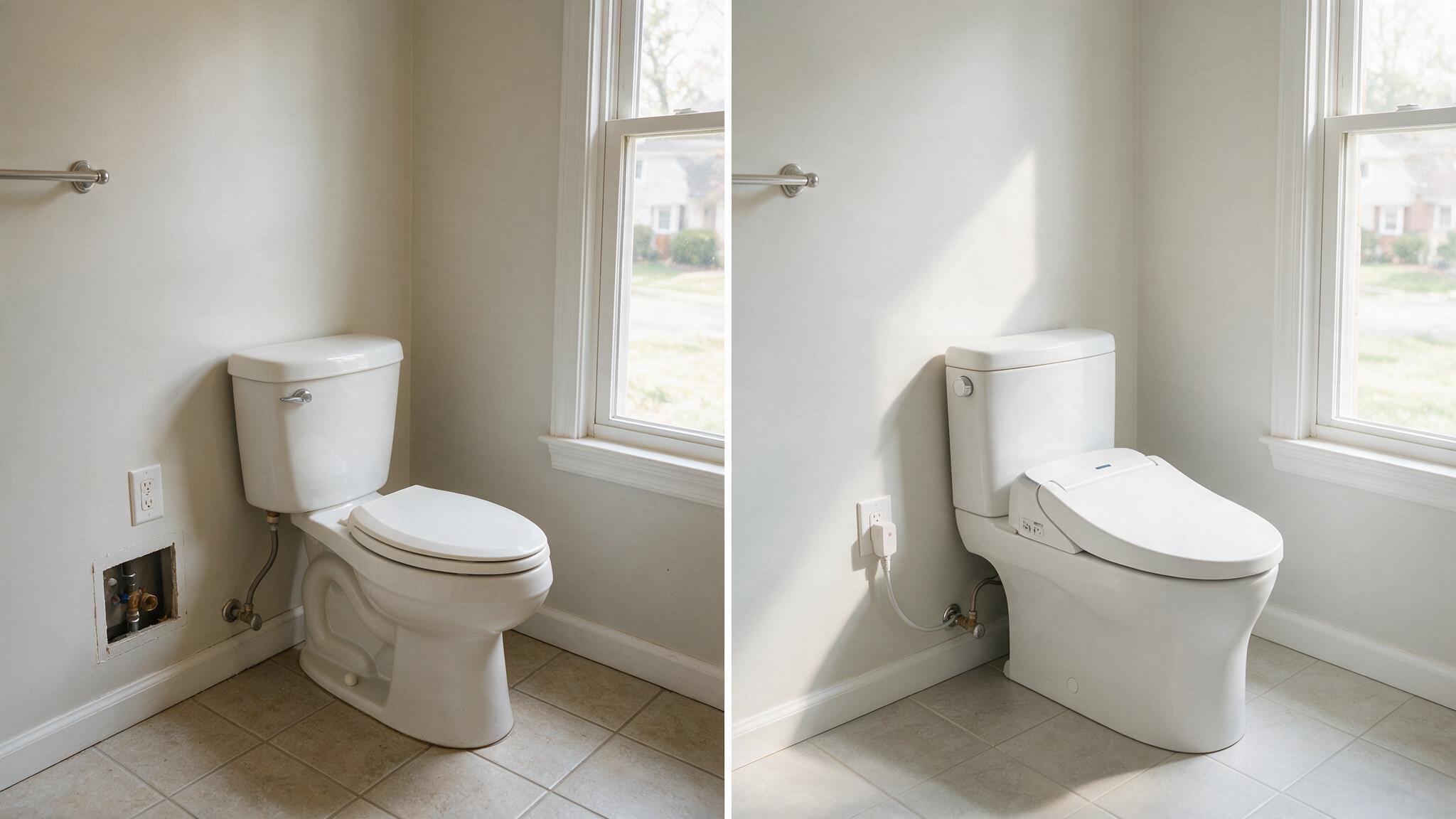
A strong plan for smart toilet installation Huntingdon Valley PA starts before materials are ordered or finishes are removed. Properties in Huntingdon Valley can combine older construction, previous repairs, tight access, and modern performance expectations. Smart toilets and bidet seats can need a nearby protected electrical receptacle in addition to the usual cold-water supply, making them easiest to plan during a remodel rather than after tile is finished.
Choose a Durable Repair or Remodel Strategy
Outlet location should remain accessible but visually controlled, and it should not interfere with baseboard, water shutoff, cleaning, or fixture removal. Before pricing or demolition is finalized, document dimensions, access, adjacent conditions, and any signs that the existing work has already been altered. That gives the contractor a reliable baseline and helps separate a focused repair from a scope that needs broader correction. In older Philadelphia-area and South Jersey properties, this step is especially important because previous work may not match current products, drawings, or assumptions.
Make the Decision Based on the Whole Assembly
Some integrated smart toilets have different rough-in dimensions, water connections, and service requirements than conventional bowls, so model selection should happen before the plumbing is finalized. Small conflicts become expensive when one trade covers another trade’s work or when a finish is fabricated before rough dimensions are verified. The project plan should therefore identify who owns each transition, what must remain accessible, and which decisions depend on field measurements. Material selections should follow those constraints rather than forcing the building to fit a product that was chosen too early.
Build for Long-Term Serviceability
Clearance around the fixture, door swing, vanity edges, and toilet-paper storage still matters even when the technology becomes the design focus. Durability comes from solving the cause, building the layers in the correct order, and leaving the finished system maintainable. Homeowners in Huntingdon Valley should be cautious of a cosmetic fix when movement, moisture, structural weakness, or service access suggests a deeper condition. The right scope may be localized, but that decision should follow inspection rather than guesswork.
What This Means for Local Property Owners
For someone comparing options for smart toilet installation Huntingdon Valley PA, the useful question is not simply which product looks best. The stronger question is which scope fits the actual property, protects the surrounding work, and can be serviced later without unnecessary demolition. Related searches such as bidet seat electrical outlet bathroom and smart toilet plumbing rough in PA often point to the same need: accurate diagnosis first, then a coordinated plan that matches the building and the intended use.
Frequently Asked Questions
Can a bidet seat use a standard bathroom outlet?
Electrical requirements depend on the product and local code; the outlet location and circuit protection should be planned with a qualified electrician.
Does a bidet seat need hot-water plumbing?
Most electric bidet seats heat water internally and connect to the cold-water supply, but product specifications should be checked.
Can a smart toilet replace any standard toilet?
Not automatically. Rough-in distance, outlet location, water supply, clearances, and mounting details should be confirmed first.
Plan the Next Step
If you are planning smart toilet installation Huntingdon Valley PA in Huntingdon Valley, Huntingdon Valley Kitchen & Bath Remodelers can help evaluate the existing conditions, define a practical scope, and coordinate the work around long-term performance. Learn more about Bathroom Remodeling at https://huntingdonvalleyremodelers.com/ and schedule a project consultation before materials, demolition, or finish selections are finalized.
Helpful homeowner resource: U.S. EPA – WaterSense