
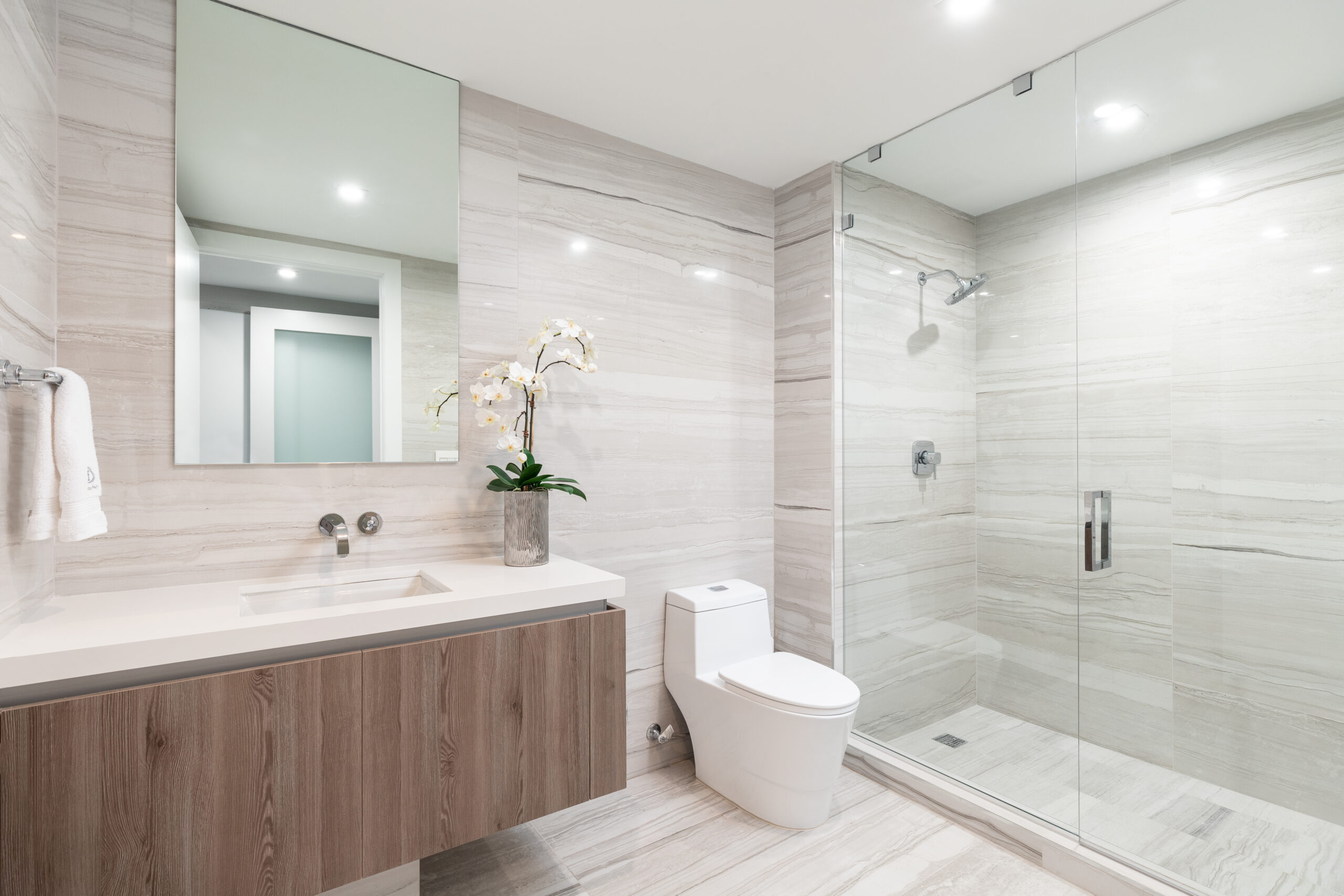
Tile work is one of the most unforgiving trades in residential construction. A poorly executed paint job can be sanded down and repainted; a poorly installed tile floor will crack, leak, or require complete demolition to fix. For homeowners in Elkins Park investing in natural stone, porcelain, or intricate mosaics, selecting the right installer is critical to protecting the investment.
High-quality expert tile installation in Huntingdon Valley relies on hidden preparation just as much as surface aesthetics. Here is how to evaluate a professional for your next project.
Inquire About Substrate Preparation
The substrate is the surface beneath the tile. If the substrate is uneven, flexible, or improperly waterproofed, the tile installation will fail, regardless of how expensive the ceramic or stone is.
Ask potential contractors how they prepare the floor or walls.
- For Floors: Do they use an uncoupling membrane (like Schluter-Ditra) to prevent cracked grout? How do they ensure the subfloor is structurally rigid enough to support heavy natural stone?
- For Showers: What waterproofing system do they use behind the cement board? Traditional moisture barriers or modern sheet membranes? The Tile Council of North America outlines strict guidelines for wet-area installations, and your contractor should be intimately familiar with these standards.
Discuss Layout and Centering
A hallmark of amateur tile work is awkward, narrow slivers of tile in corners or along baseboards. A professional spends significant time planning the layout before mixing a single bucket of thinset.
They should explain how they find the center lines of the room and dry-lay the tiles to ensure symmetrical cuts at the perimeters. In a bathroom, ask how they plan to align the floor grout lines with the shower wall grout lines for a continuous, cohesive look.
Evaluate Material Knowledge
Not all tiles perform well in every environment. A knowledgeable contractor will guide you away from disastrous choices, such as using highly porous, polished marble on a slippery shower floor, or installing brittle glass tiles on a high-traffic kitchen floor. They should also recommend the correct type of grout—sanded, unsanded, or epoxy—based on the width of the grout joints and the moisture exposure of the area.
Review Past Detailing Work
When looking at a contractor’s portfolio, zoom in on the details.
- Niches: Are the corners of the shower niche mitered cleanly, or do they use bulky metal profiles?
- Transitions: How does the tile transition to the hardwood in the hallway? Is it flush, or is there an awkward step-up?
- Grout Lines: Are the grout joints perfectly consistent in width across the entire installation?
–
Demand precision for your next tile project. Contact Huntingdon Valley Kitchen & Bath Remodelers for meticulous, durable, and beautiful tile installation services in Montgomery County.