A full-scale kitchen renovation is a complex construction project. For homeowners in Abington Township and Huntingdon Valley, knocking down walls to create an open concept or moving the sink to a new kitchen island involves significant structural and mechanical alterations. These changes are strictly regulated by local municipal building codes. Understanding the permitting process ensures your project is completed legally, safely, and without the threat of stop-work orders or future resale complications.
Why Kitchen Remodeling Requires Permits
Permits are not arbitrary municipal hurdles; they are life-safety requirements designed to protect you, your family, and your property investment.
Structural Safety
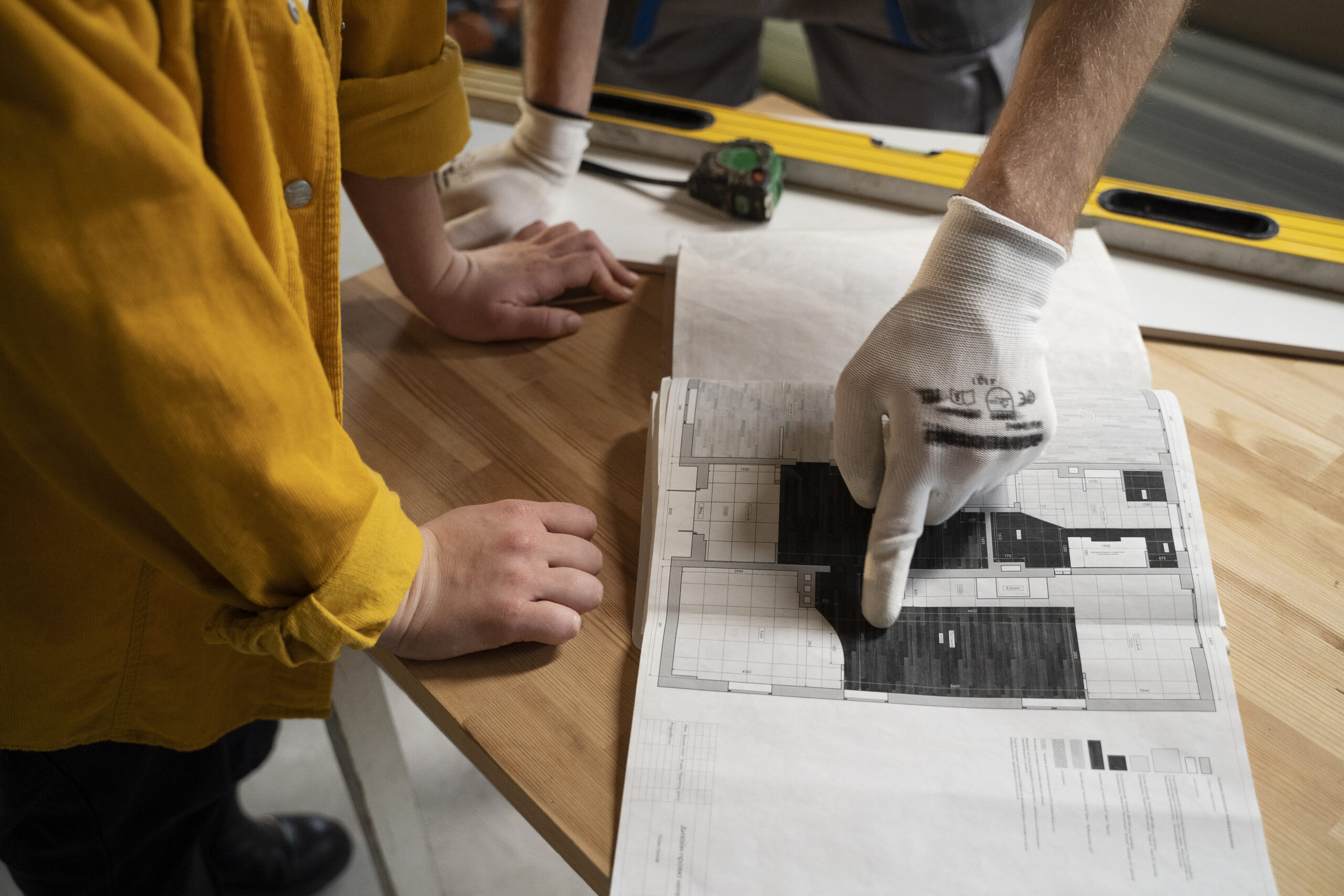
Removing an interior wall is the most common request in modern kitchen remodeling. If that wall is load-bearing, removing it without installing a properly sized structural beam will eventually cause the roof or second floor to sag or collapse. In Abington Township, a building permit is legally required before any structural framing is altered. To obtain this permit, architectural drawings and structural engineering calculations must be submitted to the township construction office to prove the new beam can handle the overhead load safely.
Electrical and Plumbing Upgrades
Older electrical systems cannot support modern kitchen appliances. Adding a double wall oven, an induction cooktop, and an array of recessed lighting requires installing new, dedicated high-amperage circuits directly to the main electrical panel. Similarly, moving a sink or adding a pot filler requires rerouting pressurized supply lines and waste drains. Both rough plumbing and electrical work require separate sub-code permits and meticulous inspections to prevent hidden fire hazards or internal leaks behind the new drywall.
The Inspection Process
Once the permits are approved and work begins, the municipal inspector will visit your home at several critical junctures. According to the Pennsylvania Department of Labor & Industry’s Uniform Construction Code, work cannot proceed until the inspector has verified the previous phase.
- Rough-in Inspection: The inspector reviews the open wall cavities to ensure the new structural beams, electrical wiring, and plumbing pipes are sized and secured correctly before the drywall is installed.
- Final Inspection: After the cabinets, appliances, and lighting are fully installed and operational, the inspector verifies that the finished kitchen meets all safety and energy efficiency codes.
The Risks of Unpermitted Work
Homeowners are sometimes tempted to skip the permitting process to save time or avoid municipal fees. This is a severe mistake. Unpermitted electrical or structural work can void your homeowner’s insurance policy if a fire or collapse occurs. Furthermore, when you attempt to sell your home, unpermitted renovations are routinely flagged during the buyer’s home inspection, forcing you to retroactively open walls and pay hefty fines to legalize the work before the sale can close.
Partner with the Right Professional
Managing architectural drawings, permit applications, and municipal inspections is a full-time job. Hiring an experienced kitchen remodeling contractor ensures that all paperwork is filed correctly and all work exceeds local code requirements. We handle the entire bureaucratic process from start to finish. Contact Huntingdon Valley Kitchen & Bath Remodelers today to plan a safe, beautiful, and fully compliant kitchen renovation in Abington Township.
FAQs:
- Do I need a permit just to replace my kitchen cabinets? Generally, if you are strictly doing a “pull-and-replace” cosmetic remodel without moving any walls, electrical outlets, or plumbing lines, a permit is not required.
- Who is responsible for pulling the permits: the homeowner or the contractor? A licensed remodeling contractor should always file and pull the permits. This places the legal responsibility for code compliance on the contractor’s company, not on you.
- How long does it take Abington Township to approve a building permit? Permit review times vary based on the township’s workload, but for structural residential renovations, expect a wait time of two to four weeks from the date of submission.